
Your car usually doesn’t need an oil change because the oil suddenly “goes bad” in one moment. Oil degrades gradually as it circulates through the engine, collects contaminants, and goes through repeated heat cycles.
The best way to know when to change it is still your vehicle manufacturer’s maintenance schedule or oil-life monitor. But your car can also give you clues that the oil is overdue, the oil level is low, or something else needs attention.
Here are seven signs worth taking seriously.
Your Oil Change Reminder Says It’s Due
The simplest sign is also the one you should trust most: your vehicle says it’s time for service.
Many modern cars have an oil-life monitoring system that estimates when the engine oil needs to be replaced. Other vehicles use a fixed mileage and time interval listed in the owner’s manual. Modern recommendations vary considerably between vehicles, so the old 3,000-mile rule isn’t a universal standard anymore. AAA notes that many modern vehicles have recommended intervals around 5,000 to 7,500 miles, while some vehicles and oils support longer intervals.
Don’t reset the oil-life monitor just because the reminder appeared. Reset it after the oil and filter have actually been changed.
If you don’t know your car’s recommended interval, check the owner’s manual or the manufacturer’s maintenance schedule. The required oil specification matters too. Using synthetic oil doesn’t automatically mean you can extend the interval beyond what the manufacturer recommends.
Your Engine Oil Level Is Low
Low oil isn’t exactly the same as old oil, but it’s a reason to check the engine immediately.
Engine oil can disappear between services because of an external leak or because the engine is consuming it internally. A small drop may not produce a visible puddle under the car, especially if oil is leaking onto a hot engine component.
Check the dipstick if your vehicle has one. Park on level ground, switch off the engine, and follow the checking procedure in your owner’s manual. AAA recommends checking the oil level regularly rather than waiting for a dashboard warning.
If the level is below the minimum mark, add the correct oil as specified by the manufacturer. Don’t simply keep adding oil every few weeks without finding out why the level is falling.
A recurring low oil level can point to:
- An oil-pan or valve-cover leak
- A leaking oil filter or drain plug
- Worn engine seals
- Internal oil consumption
- A turbocharger or other component leaking oil
If you’re losing oil quickly, the problem needs diagnosis rather than just another top-up.
Your Engine Sounds Louder or More Tappety
An engine that suddenly sounds louder than normal deserves attention.
Low or degraded engine oil can reduce the protection between moving components. You may notice more ticking or tapping from the engine, particularly during startup. In some cases, inadequate lubrication can contribute to more serious mechanical noise.
But don’t assume every ticking sound means you need an oil change.
A ticking engine can also have a problem with the valvetrain, timing components, an exhaust leak, or another mechanical component. A deep knocking sound is particularly concerning because it can indicate serious internal engine damage.
If the noise appeared suddenly or becomes louder with engine speed, check the oil level and avoid continuing to drive until you know what’s causing it.
The Oil Looks Thick, Sludgy, or Contaminated
Used engine oil normally gets darker. Color alone doesn’t tell you that the oil is overdue for replacement.
What deserves more attention is a major change in consistency or visible contamination. Thick, gritty, or sludgy oil can indicate that the lubricant has accumulated significant deposits or contaminants.
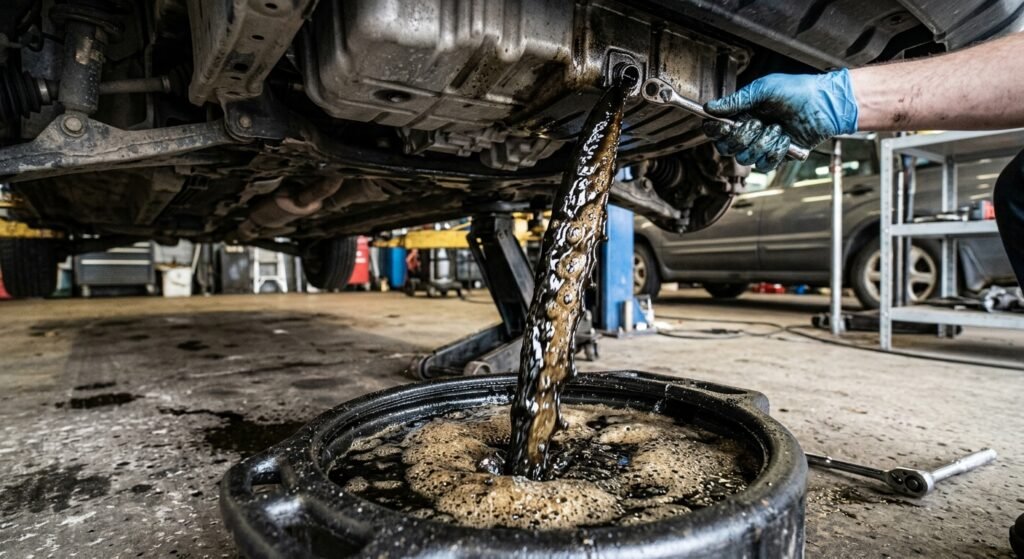
There’s another condition worth recognising: creamy or milky oil can indicate coolant contamination. That’s not a normal “time for an oil change” symptom. It can point to a coolant leak into the lubrication system or a head-gasket problem, among other causes.
So don’t judge oil solely by whether it’s black.
Check the level, maintenance history, mileage, oil condition, and the manufacturer’s recommended service interval together.
You Smell Burning Oil
A strong oil smell can mean you’re dealing with an oil leak rather than simply overdue maintenance.
If engine oil reaches a hot exhaust component, it can produce a noticeable burnt-oil smell. You may also see smoke coming from the engine bay, particularly after stopping the car.
Common leak sources include:
- Valve-cover gaskets
- Oil-filter housing seals
- Oil-pan gaskets
- Drain plugs
- Crankshaft or camshaft seals
A small leak can gradually lower the oil level, while a larger leak can leave oil on the ground or cause smoke under the hood.
An oil change won’t repair a leaking gasket or seal. If you smell burning oil, check the level and look for signs of a leak. If you see smoke or the oil level is dropping quickly, have the car inspected rather than continuing to drive it normally.
The Engine Is Running Hotter Than Usual
Engine oil helps lubricate moving components and carries heat away from areas that aren’t cooled directly by engine coolant. As oil degrades or the oil level becomes too low, lubrication can suffer. AAA also notes that engine oil contributes to cooling and that neglected oil can increase engine heat and component wear.
That doesn’t mean an overheating engine automatically needs an oil change.
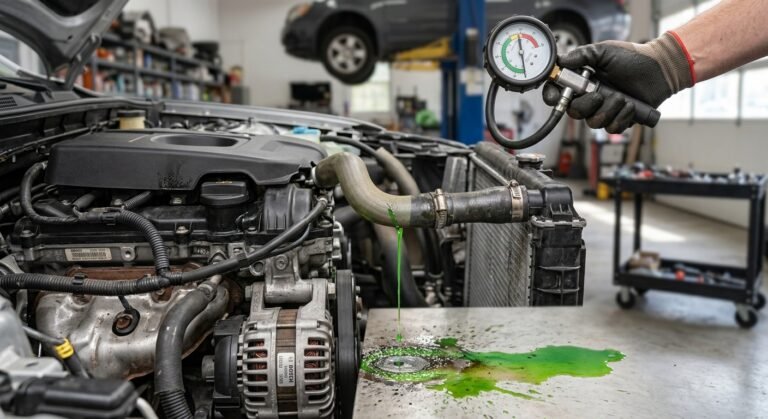
Cooling-system problems are often a more likely explanation. A failing thermostat, radiator fan, water pump, radiator, or low coolant level can all cause the temperature gauge to rise.
If the temperature gauge moves into the red, you see steam, or the engine begins overheating, stop driving and let the engine cool safely. Changing the oil won’t fix a failed radiator fan or an empty cooling system.
The Oil Pressure or Check Engine Light Comes On
This is where you need to distinguish between different dashboard warnings.
An oil-service reminder means the vehicle’s maintenance system believes an oil change is due.
A red oil-pressure warning light is different. It can indicate that the engine isn’t maintaining adequate oil pressure. AAA recommends pulling over safely, shutting the engine off, and getting assistance if the oil-pressure light remains on.
Low oil level is one possible cause, but it’s not the only one. A failing oil pump, blocked pickup, excessive internal wear, or another lubrication-system problem can also reduce oil pressure.
The check engine light doesn’t specifically mean you need an oil change. It can be triggered by hundreds of different faults, including emissions, ignition, fuel, and sensor problems. A steady light generally calls for prompt diagnosis, while a flashing check engine light can indicate a more serious fault.
Don’t treat either warning as a routine reminder without checking what the symbol actually means.
Signs You Need an Oil Change vs. Signs Something Is Wrong
Not every symptom above means that fresh oil will solve the problem.
| What you notice | What to do |
|---|---|
| Oil-life monitor says service is due | Schedule an oil change |
| Manufacturer’s mileage or time interval has been reached | Change the oil and filter |
| Oil level is below the minimum mark | Add the correct oil and investigate why it’s low |
| Oil is leaking | Find and repair the leak |
| Red oil-pressure warning light | Stop the engine and investigate immediately |
| Severe engine knocking | Stop driving and have the engine diagnosed |
| Engine overheating | Stop driving and check the cooling system |
| Check engine light | Diagnose the stored fault code |
That distinction can prevent an expensive mistake. A fresh oil change is routine maintenance. Low oil pressure, severe engine noise, or overheating can be mechanical problems that require immediate attention.
How to Check Your Oil Before Changing It
If your car has a conventional dipstick, checking the oil takes only a few minutes.
Park on level ground and switch off the engine. Follow your owner’s manual for the correct waiting period. Some manufacturers specify checking the oil before starting the engine, while others recommend waiting several minutes after shutdown.
Then:
- Remove the dipstick.
- Wipe it clean with a lint-free cloth.
- Reinsert it completely.
- Remove it again.
- Check the oil level against the minimum and maximum marks.
- Look for unusual contamination or debris.
- Add the manufacturer’s specified oil if necessary.
Mobil recommends checking the oil either before starting the engine or several minutes after shutdown so the oil can drain back into the oil pan.
Some newer vehicles don’t have a physical dipstick and instead use an electronic oil-level measurement system. Follow the vehicle-specific procedure in that case.
Don’t overfill the engine. Too much oil can cause problems just as too little can.
How Often Should You Actually Change Your Oil?
Don’t use symptoms as your primary maintenance schedule.
The manufacturer’s recommended mileage and time interval should be your starting point. If the vehicle has an oil-life monitoring system, use it according to the manufacturer’s instructions.
Your driving conditions can also affect the schedule. Frequent towing, heavy loads, excessive idling, dusty conditions, and other severe-use situations can require a different service interval.
Synthetic oil can support longer intervals in some applications, but there is no universal synthetic-oil interval. Mobil, for example, lists different service capabilities across its synthetic products and still advises following the vehicle manufacturer’s recommendations.
For a detailed breakdown of mileage, time, severe-service conditions, and oil type, see our guide to how often you should change your engine oil.
What Happens If You Ignore the Signs?
Oil doesn’t just lubricate the engine. It also helps carry contaminants away from moving components and helps control heat.
As oil ages and becomes contaminated, its ability to protect the engine can decline. Prolonged neglect can contribute to deposits, increased wear, reduced lubrication, and eventually expensive engine damage. AAA specifically warns that extended intervals without an oil change can contribute to sludge, increased wear, and damage to engine components.
The risk is much higher when low oil level or low oil pressure is involved.
Being a few hundred miles late doesn’t mean the engine is automatically damaged. Repeatedly ignoring the recommended maintenance interval is a different matter.
FAQ
How do I know if my car really needs an oil change?
Start with the manufacturer’s maintenance schedule or your vehicle’s oil-life monitor. Symptoms such as low oil, unusual engine noise, or heavily contaminated oil can provide additional clues, but they shouldn’t replace the recommended service interval.
What does dirty engine oil look like?
Used oil often becomes darker during normal operation. Dark color alone isn’t a reliable reason to change it. Thick, sludgy, gritty, or contaminated oil is more concerning.
Can low oil cause the check engine light to come on?
It can contribute to engine problems that trigger the check engine light, but the light itself doesn’t specifically indicate that an oil change is required. The stored diagnostic trouble code needs to be checked.
Can I drive with the oil warning light on?
If you’re referring to the red oil-pressure warning light, don’t treat it as a routine service reminder. Pull over safely, shut the engine off, and check the oil level if it’s safe to do so. If the level is normal or the warning remains after adding the correct oil, the vehicle needs diagnosis.
What happens if I go too long without an oil change?
Old or contaminated oil can provide less effective protection and contribute to deposits and engine wear. Severe neglect can lead to expensive internal engine damage.